Research.
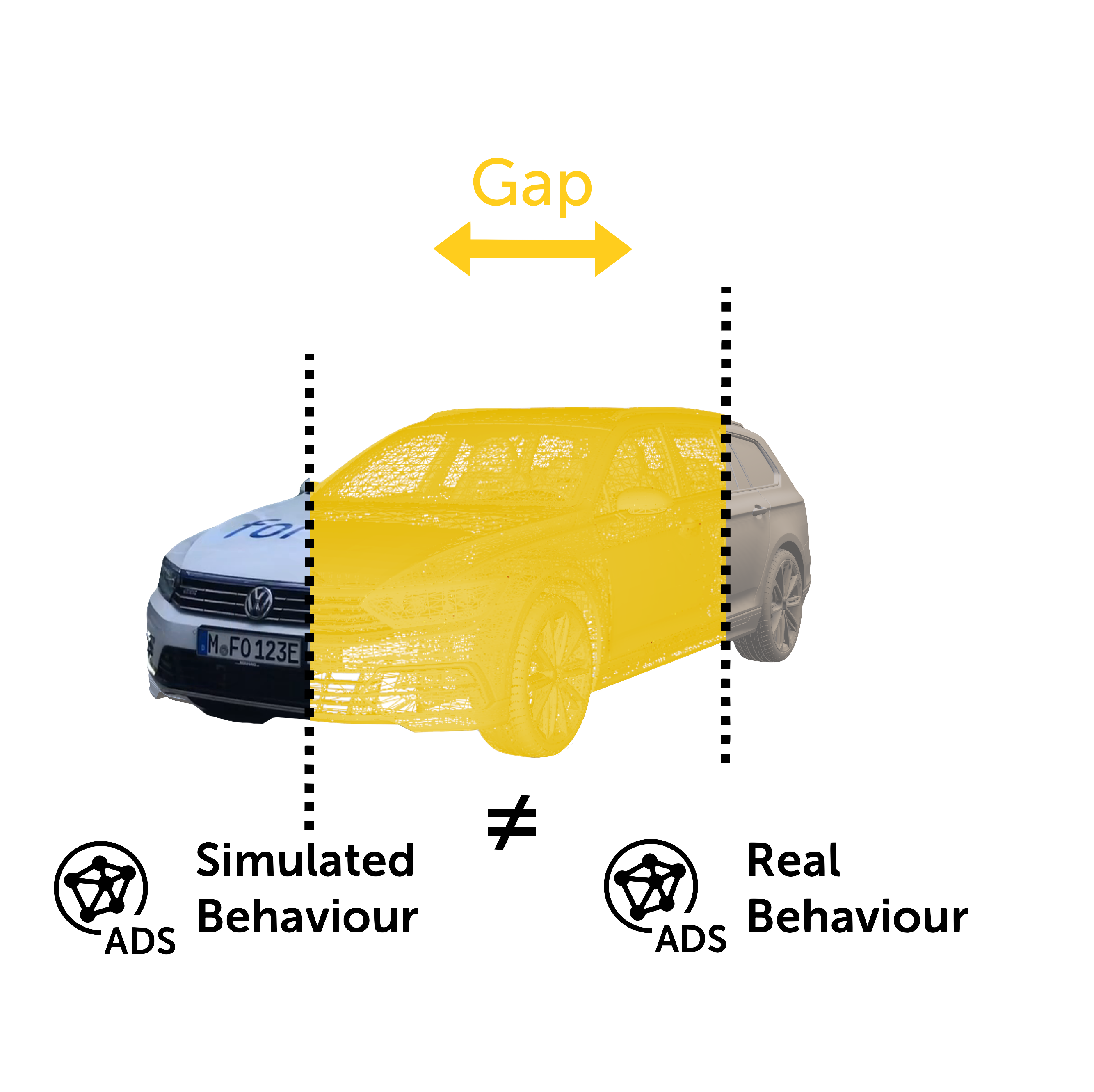
What changes when an autonomous-driving test moves from simulation to a real vehicle: how to measure that gap, which failures it hides, and which techniques close part of it.
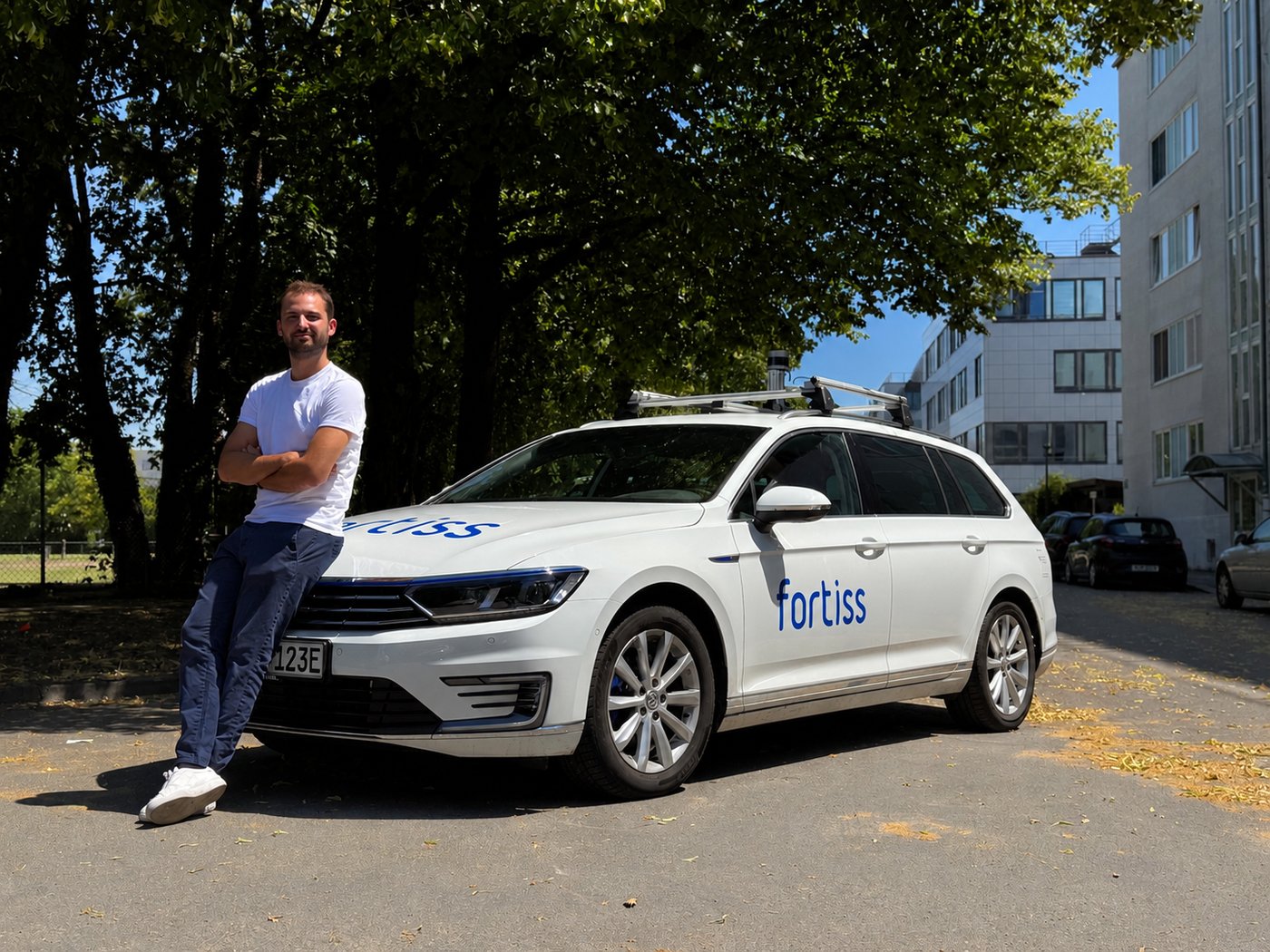
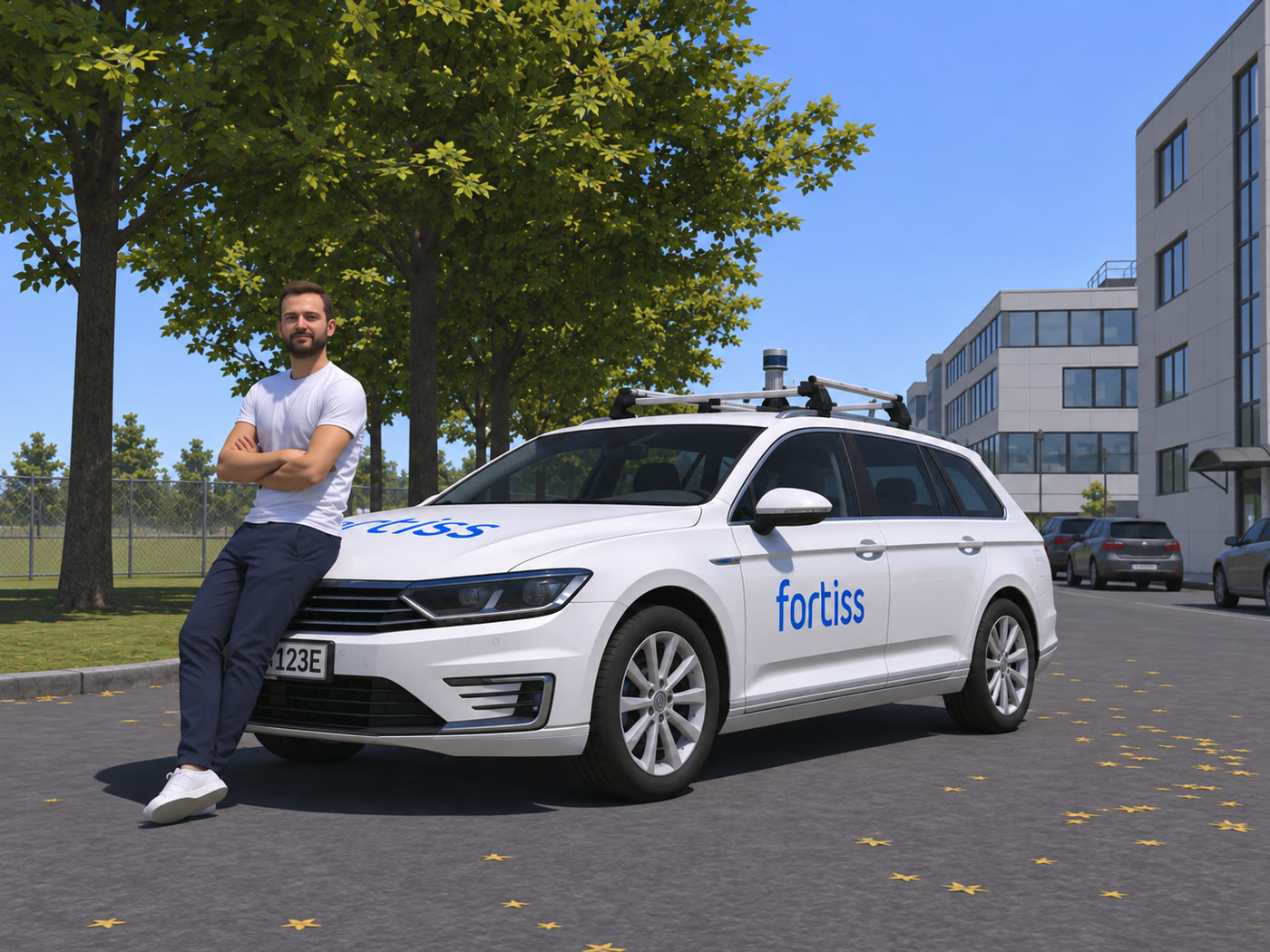
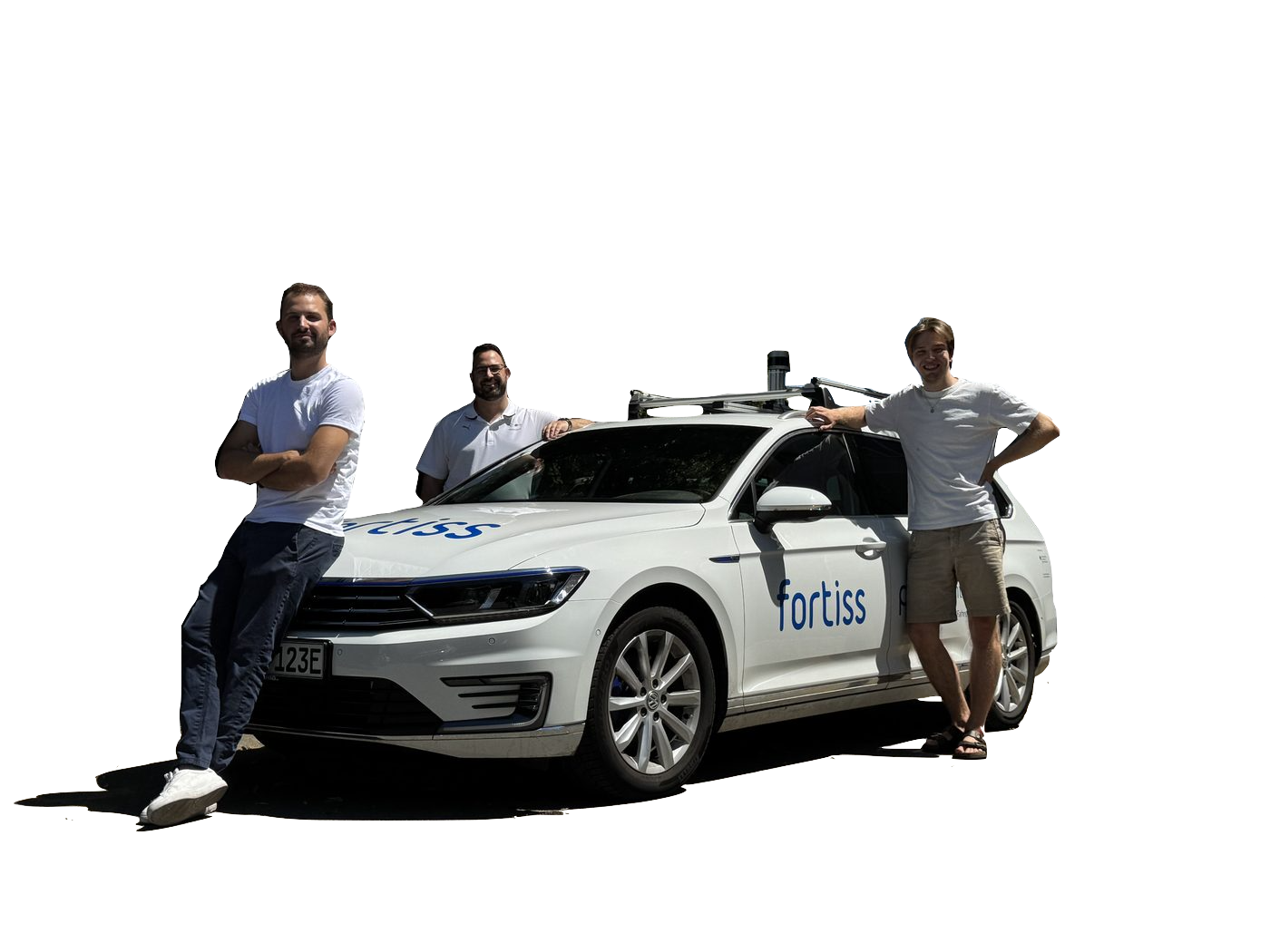
I like taking systems apart to see why they break, then putting them back together better. Fortuna, the research vehicle on the right, is the biggest thing I have taken apart so far.
Researcher at fortiss, doctoral candidate at TUM, and technical lead for Fortuna, our autonomous-driving research vehicle.
What changes when an autonomous-driving test moves from simulation to a real vehicle: how to measure that gap, which failures it hides, and which techniques close part of it.
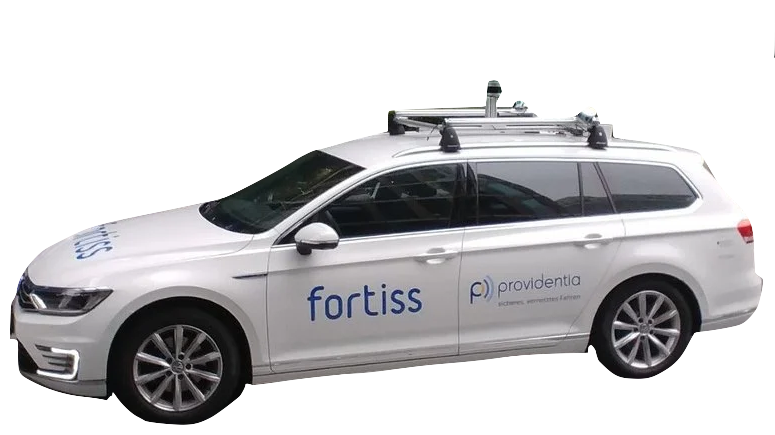
A full-size, street-legal Volkswagen Passat used for camera- and LiDAR-based autonomous-driving research, which I brought back into operation after a period of inactivity.
A practicum course on testing autonomous-driving systems, and the student projects I have supervised or co-supervised around it.
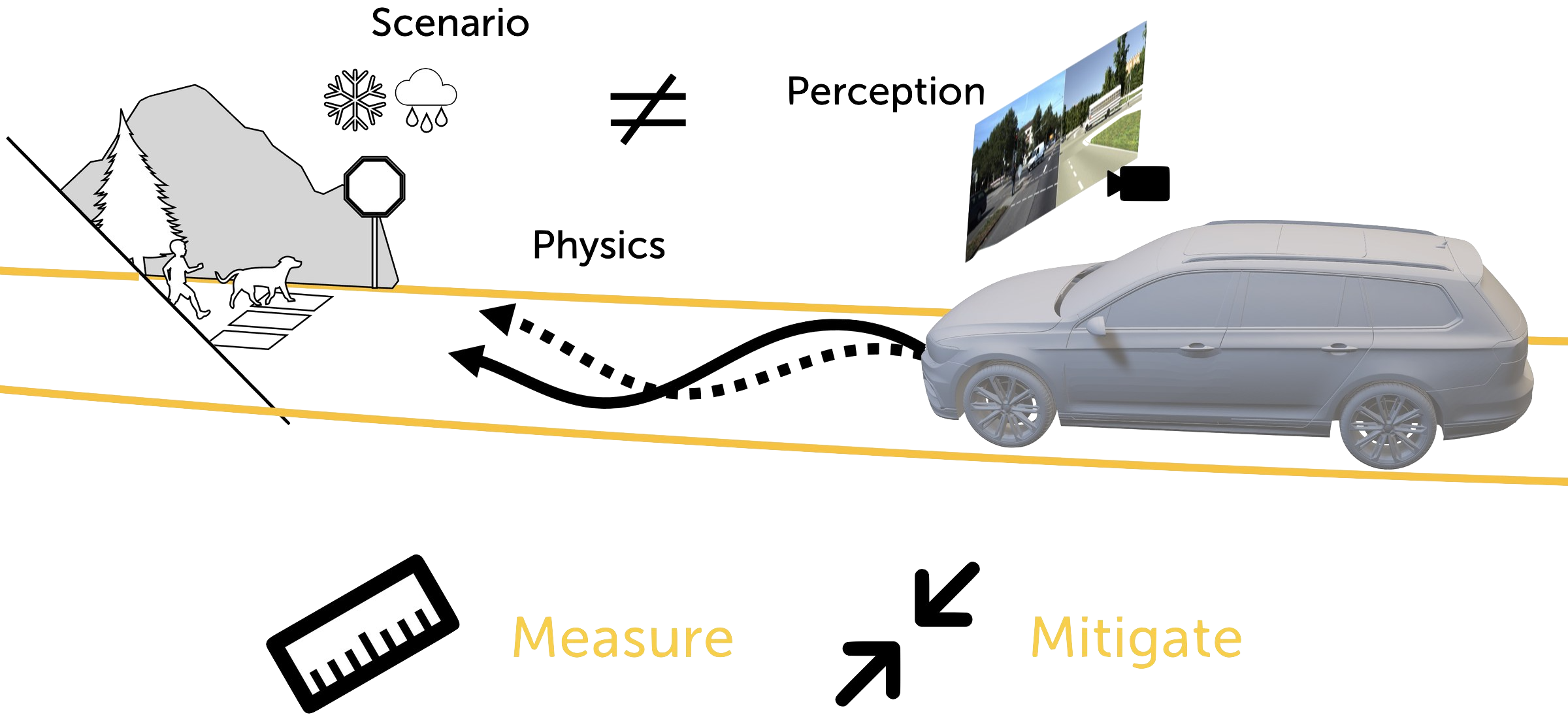
Perturb a driving camera feed, drive a reconstructed Munich street, and see the reality gap across four execution levels.

Race Gaussian-splat models of Fortuna and my motorcycle, on three circuits or any street on the map. No research question required.